
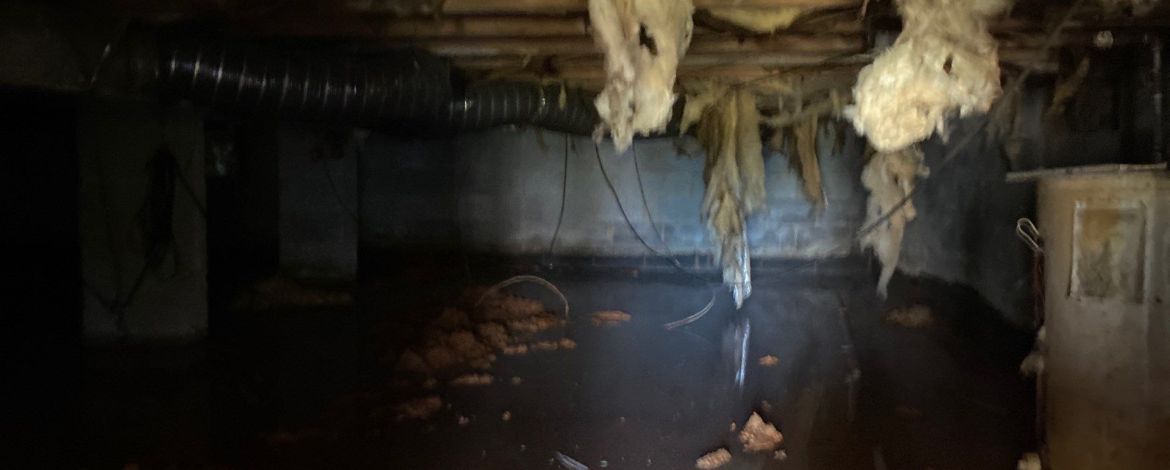
Waterproofing is the first line of defense against water intrusion, ensuring the longevity and structural integrity of your home. In this guide, we’ll explore the essential factors to consider when selecting the right waterproofing materials. From understanding your specific needs to evaluating material properties, let’s embark on the journey of securing your home against moisture damage.
1. Assess Your Needs: Begin by assessing your unique waterproofing requirements. Factors such as the location of water entry points, the severity of moisture issues, and the type of foundation will influence your material choices. Dunwell will conduct a thorough inspection of your home to identify areas in need of waterproofing and prioritize accordingly.
2. Understand Material Options: We are familiar with the various waterproofing materials available in the market. Common options include liquid-applied membranes, sheet membranes, cementitious coatings, and drainage systems. Each material has its strengths and weaknesses, and we will help you understand the right path forward so that you have an easier time making a decision.
3. Consider Performance Characteristics: We will explain the performance characteristics of waterproofing materials to ensure they align with your specific needs. Factors such as durability, flexibility, adhesion, and resistance to environmental factors like UV exposure and temperature fluctuations are crucial considerations. We favor selecting materials that offer long-lasting protection and can withstand the demands of our local climate.
4. Evaluate Installation Requirements: Take into account the installation requirements of different waterproofing materials. Some products may require specialized equipment or professional installation, while others offer DIY-friendly application methods. Consider your budget, timeline, and skill level when selecting materials and solutions. Hiring professionals often is a good course to ensure a smooth and efficient installation process.
5. Factor in Cost and Budget: Balancing cost and quality is essential when choosing waterproofing materials. While it may be tempting to opt for the cheapest option, investing in high-quality materials upfront can save you money in the long run by reducing the need for costly repairs or replacements. Consider the lifetime cost-effectiveness of each material when making your decision.
6.Call Dunwell Structural Repair: When you have a water problem, it is always recommended to seek advice from waterproofing professionals. Experienced contractors can provide valuable insights and recommendations based on their expertise. We can assess your specific situation, recommend suitable materials, and ensure proper installation for optimal performance.
Having the right waterproofing plan is a crucial step in protecting your home from moisture damage.